Estate Sales
How do you plan a parent’s move from a family home around Sheboygan?
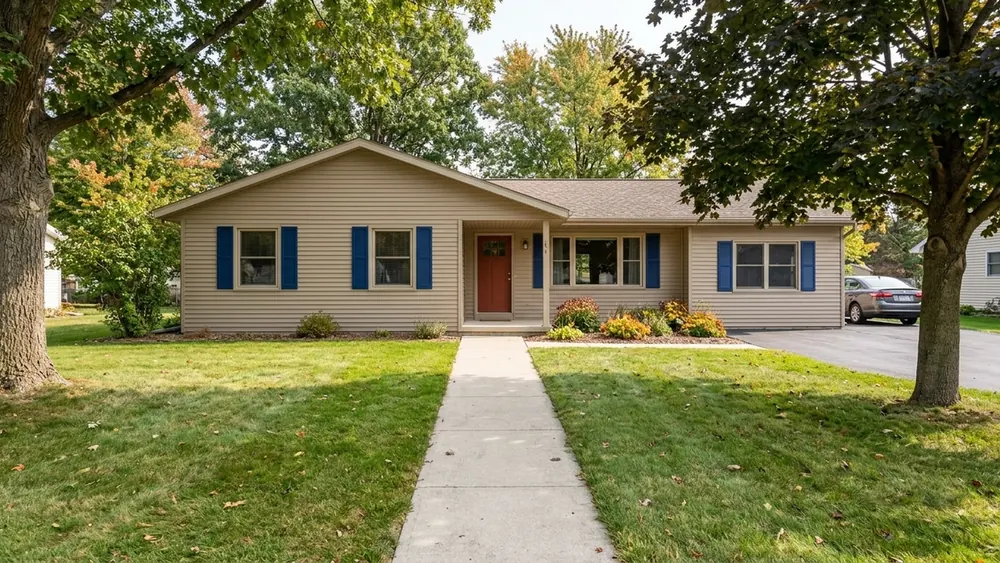
Plan a parent’s move from a family home around Sheboygan by deciding what the next home needs to offer, then timing the sale around it. Keep the whole family informed and go at a pace that feels comfortable for your parent.
On this page
- Start with what the next home needs
- Talking with a parent before planning anything
- Timing the sale around the next move
- Keeping the whole family informed
- Sorting belongings at a comfortable pace
- Questions to answer and who can help
- Getting the family home ready to sell
- A calm first step for your family
Start with what the next home needs
The clearest way to plan a parent’s move from a family home around Sheboygan is to start with the next home, not the current one. Decide together what the next place needs to offer, then time the sale of the family home around that move. Keep the whole family informed along the way and set a pace your parent is comfortable with. The selling details become much easier once the destination is clear.
Starting with the next home keeps the focus where it belongs: on your parent’s daily life. A family home holds so many memories, and talking about selling it first can feel abrupt or unsettling. Talking about what would make the next stage easier feels different. It invites your parent into the decision as a partner rather than someone the plan is happening to, and that tends to make every later conversation calmer.
This article walks through the planning in the order it usually unfolds: the first conversation, the timing, keeping the family informed, sorting belongings and preparing the home for sale. Emily Matthews helps families across Sheboygan County and the rest of the Tri-County area with moves like this one, and the approach is always the same. Explain each step honestly, point the specialized questions to the right professional, and never push a decision before the family is ready.
Talking with a parent before planning anything
The first conversation is usually the most important one. Ask open questions about what feels hard about the current house and what your parent would want in a next home. Some families find that stairs, yard work or the size of the house come up quickly. Others need a few conversations before anyone is ready to talk about moving. Either way, listening first builds the trust the rest of the plan depends on.
It helps to keep the early talks free of deadlines and decisions. Write down what your parent says matters most, such as staying close to familiar places, being near family or keeping a garden. Those notes become the checklist for the next home. If your parent wants to stay near Sheboygan, Sheboygan Falls or Plymouth, that preference shapes where the family looks, without anyone needing to rank one place against another.
Let your parent’s wishes lead the plan. I will explain every step of the sale plainly, and we will move at a pace the whole family is comfortable with.
Timing the sale around the next move
Once the family knows what the next home needs, the question becomes timing. Some families prefer to secure the next home first, so the move happens before the family house goes on the market. Others prefer to sell first and then move. Each order has tradeoffs for the family’s budget, the logistics of the move and how much your parent has to handle at once, so it is worth talking through slowly.
Budget questions belong with a lender and, where the sale may affect taxes, a tax professional. Ask them how the timing of the sale could affect the family’s options before choosing an order. The real estate side can then explain how the sale itself unfolds, what the Wisconsin offer to purchase asks each side to decide, and where the timing of a move can be discussed with a buyer.
Avoid planning around a fixed date that depends on everything going smoothly. Moves involve many moving parts, and a plan with some flexibility is easier on everyone, especially your parent. No one can promise how long a sale will take, so build in room to adjust. A calm, adjustable plan keeps the focus on the move itself rather than on a calendar that may not hold.
Keeping the whole family informed
A parent’s move often involves siblings who live in different places and see the situation differently. Decide early who will be the main point of contact, both for your parent and for the professionals involved. That person does not have to make every decision, but keeping updates flowing through one person prevents mixed messages and repeated conversations that can wear your parent down.
Share notes after each important conversation, whether it is with a lender, an attorney or a real estate professional. If a legal question comes up, such as who can sign for your parent if needed, take it to a Wisconsin real estate attorney rather than guessing. Keeping everyone informed makes it easier for the family to agree when a real choice arrives, instead of revisiting old ground each time.
Sorting belongings at a comfortable pace
Sorting a lifetime of belongings is often the hardest part of a parent’s move, and it rarely goes quickly. Start well before any sale is planned, and let your parent lead the choices about what stays, what goes to family and what moves to the next home. Short sessions focused on one room at a time tend to feel more manageable than trying to clear the whole house in one push. A few habits help:
- Start with the rooms your parent uses least and save personal spaces for later
- Measure the next home so the family knows which furniture will fit
- Offer keepsakes to family members before deciding on donations or sales
- Keep important papers and records together in one clearly labeled box
Expect emotions to come up, sometimes over objects that seem small. That is a normal part of leaving a family home. Give the process the time it needs, and remember that the house does not have to be empty before the family talks about selling. A real estate conversation can happen alongside the sorting, so everyone understands what the home will need when the time comes to list it.
Questions to answer and who can help
Planning a parent’s move pulls in several kinds of questions at once. Seeing them side by side makes it easier to decide which conversation comes first and who should be part of it. The table below is a starting point. Your family will likely add questions of its own, and some may need more than one professional to answer fully.
| Question | Why it matters | Who to ask |
|---|---|---|
| What does the next home need to offer? | It sets the direction for every later choice | Your parent and the family together |
| How could the timing affect the family’s budget? | It shapes whether to buy or sell first | A lender and a tax professional |
| Who can sign for your parent if needed? | Only the right person can sign sale documents | A Wisconsin real estate attorney |
| What condition is the family home in? | Condition shapes repairs and disclosure answers | A licensed home inspector |
| What would a sale of the home involve? | It helps the family plan each step calmly | A real estate professional |
Only one row in that table belongs with a real estate professional, and that is how it should be. A candid conversation about selling the family home will say plainly when a question belongs with a lender, an attorney or a tax professional. What the real estate side can add is a clear explanation of the house, the paperwork and the steps of a sale, so the family can fit each piece together.
Getting the family home ready to sell
When the time comes to prepare the house, start with what the family already knows about its condition. Gather repair records, receipts and notes about updates, because the Wisconsin seller disclosures will ask about known conditions and issues with the property. If your parent has lived in the home a long time, much of that knowledge lives in memory, so it helps to write it down together while sorting.
Decide which repairs are worth discussing and which can be left alone. A licensed home inspector and licensed contractors can answer specific questions about condition and cost. The real estate conversation can then walk through what buyers tend to notice and which choices can wait. No one can promise how an update will affect a sale, so the aim is simply to make informed choices the family feels good about.
A calm first step for your family
Before a first real estate conversation, write down a few things: what your parent wants in the next home, the family’s preferred order for buying and selling, who the main point of contact is, and any known issues with the house. Bring the folder of records if you have started one. None of it needs to be perfect. These notes simply help the conversation focus on what matters most to your parent.
When the family is ready, bring those notes and your questions to a conversation with Emily. There is no pressure to list and no deadline to meet. The goal is to explain each step of selling the family home plainly, one line at a time, so your parent and the rest of the family understand the choices and can decide together, at a pace that feels right.
This article is general information about buying and selling homes in the Tri-County area (Calumet, Manitowoc and Sheboygan Counties), Wisconsin. It is not legal, probate, tax, lending or inspection advice and does not predict prices or promise results. Confirm contract and disclosure questions with a Wisconsin real estate attorney, probate and tax questions with an attorney or tax professional, financing with a lender, and property condition with a licensed home inspector. Emily Matthews, RE/MAX Universal Realty.

Written by