Home Sellers
What do Wisconsin seller disclosures cover?
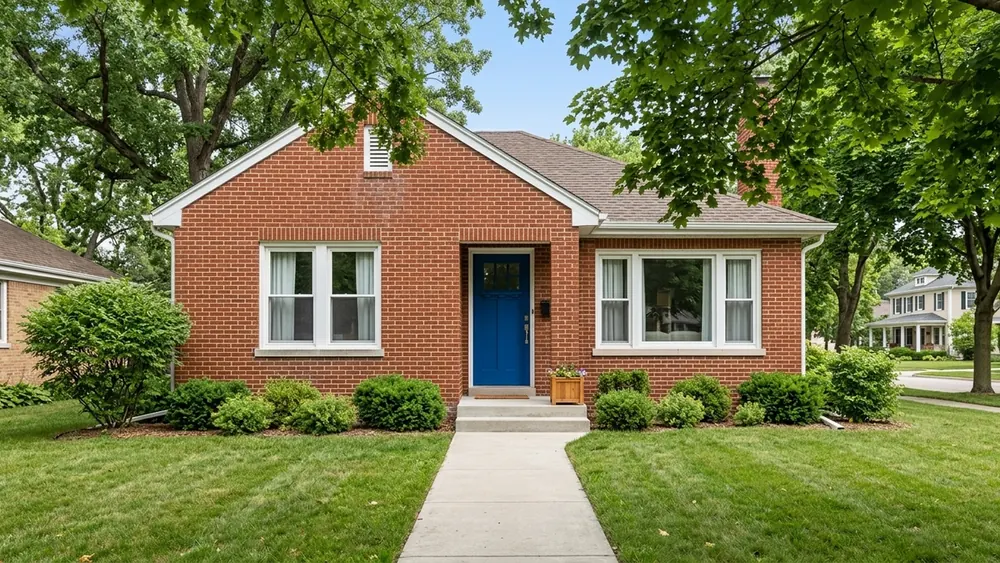
Wisconsin seller disclosures ask you to share the conditions and issues you know about your home, from the roof and basement to systems and water. Answer from what you actually know, keep records handy, and take legal questions to an attorney.
On this page
- What Wisconsin seller disclosures are meant to do
- The parts of the home disclosures usually cover
- Records worth gathering before you sit down
- Where sellers tend to get stuck
- Answering honestly when you are unsure
- Who answers which disclosure question
- What to do before your first listing conversation
What Wisconsin seller disclosures are meant to do
Wisconsin seller disclosures ask you, as the homeowner, to share the conditions and issues you know about the property. In general terms, the paperwork walks through the parts of a home a buyer cannot fully judge on a showing: the structure, the roof, the basement, the mechanical systems, water and drainage, and any past repairs or problems you are aware of. The key word is known. The disclosures ask what you know, not what a licensed home inspector might find later.
This matters because the disclosure is often one of the first documents a serious buyer reads closely. It shapes the questions they bring to the inspection and the conversation that follows. A clear, careful disclosure gives a buyer a fair picture before they make an offer. A rushed or vague one tends to raise questions at the worst moment, when everyone is already working toward closing. Whether you are selling in Sheboygan, Plymouth, New Holstein or elsewhere in the Tri-County area, the goal is the same: a plain, accurate account of the home.
Here is the honest part. Disclosing a known issue does not make your home unsellable, and it is not an admission that you did something wrong. Every home has a history, and buyers expect that. What tends to cause trouble is the issue a buyer discovers alone and then wonders why nobody mentioned it. Filling out the disclosures carefully is less about protecting the sale and more about making sure everyone is deciding on the same facts, with a clear record of what was shared and when.
The parts of the home disclosures usually cover
The exact wording comes from the current Wisconsin forms, and forms can change, so read the version in front of you line by line rather than relying on memory or a neighbor’s old copy. In broad terms, you can expect questions grouped around the physical home, the land it sits on and anything you know about conditions that affect it. Typical topics include the following areas, each one asked in plain terms about what you know:
- The roof, foundation, walls and other structural parts you know have had problems
- Basement moisture, flooding, drainage and any water that has come into the home
- Heating, cooling, plumbing and electrical systems, including past repairs or replacements
- Conditions on the land and any remodeling or additions you know about
Records worth gathering before you sit down
The disclosures go faster and read more clearly when you have your paperwork in front of you instead of working from memory. Before you start, pull together whatever you have for the home. Gaps are normal, especially in an older house or one that has changed hands within a family, so gather what exists and note what does not. These are the records that usually help most when you sit down to answer:
- Receipts and invoices for repairs, replacements and service calls on the home
- Warranty paperwork for the roof, appliances, windows or major systems
- Reports from earlier inspections, including the one from when you bought
- Insurance claims you filed for the home and what was repaired afterward
- Notes on work done by licensed contractors, with their names and what was done
Where sellers tend to get stuck
The most common sticking point is the question you are not sure about. Maybe the basement was damp once after a heavy storm and never again, or a previous owner mentioned a repair you never saw. It is tempting to answer no to keep things simple, or yes just in case. Neither guess helps. The better move is to describe what you actually know in plain words, and to ask how the form handles uncertainty before you write anything down.
The second sticking point is older work. A finished basement, a replaced water heater, an addition from long before you bought: buyers will ask about these, and the disclosure is where that history starts. If you do not know who did the work or whether it was permitted, say so honestly. Questions about permits and past approvals belong with the city or village, or the county office for the property, and they can often tell you what is on file.
The third is a change that happens after you sign. A storm, a leak or a new problem can show up while the home is on the market. Disclosures describe what you know at a point in time, and when that knowledge changes, it is worth raising right away rather than hoping it will not matter. How an update should be handled is a legal question, so ask a Wisconsin real estate attorney how it applies to your sale.
Answering honestly when you are unsure
A calm approach works better than a defensive one. Read each question slowly, answer from what you know, and keep a short note of where each answer came from: a receipt, a report, or simply your own memory. If a question uses a term you do not recognize, stop and ask what it means before you answer. Walking through the form one item at a time keeps the words on the page matched to what you meant to say.
It also helps to separate facts from impressions. Know the roof was replaced? That is a fact you can support with a receipt. Think the sump pump works fine? That is your experience, and it is fair to describe it that way. Buyers can then decide what to check with their own licensed home inspector. Plain, accurate answers usually lead to calmer conversations later, because nobody feels misled about what was shared up front.
I would rather you write I don’t know than guess. An honest answer you can explain is worth more to a buyer than a confident one you can’t back up.
Who answers which disclosure question
Disclosures sit where several kinds of questions meet, and each kind has a right source. Emily can walk you through how the Wisconsin disclosure paperwork is laid out, what each section is asking in general terms and how it fits with the rest of the listing paperwork at RE/MAX Universal Realty. What a question means legally, whether a particular answer is required, or whether your situation is an exception, is a question for a Wisconsin real estate attorney.
Condition questions are for a licensed home inspector or a licensed contractor who can look at the actual roof, basement or furnace. Questions about permits, past approvals or local rules go to the city or village, or to the county office for your property in the Tri-County area (Calumet, Manitowoc and Sheboygan Counties). If a repair involved an insurance claim, your insurance agent can help confirm what was filed and fixed. Sorting questions this way keeps you from guessing on anything important.
What to do before your first listing conversation
You do not need the disclosures finished before you talk about selling. It does help to start gathering early, because the records and memories you pull together feed everything else: the pricing conversation, the decisions about repairs, and the answers buyers will ask for. A folder with receipts, reports and a short written history of the home is a good place to begin, even if some pages are missing.
Next, write down the questions you already know are tricky. Perhaps there was water in the basement once, a roof patch, or an addition you inherited with the house. Note what you know, what you do not, and who might have the missing piece. Having that list ready turns a vague worry into a set of questions you can actually get answered, whether your home is in Sheboygan, Plymouth or New Holstein.
When you are ready, bring that folder and that list to a conversation with Emily. You can go through the disclosure paperwork line by line, talk honestly about what each answer means for buyers, and decide together which questions need an attorney, an inspector or a call to the city. There is no pressure to list by a certain time. The goal is simply to understand what you are signing before you sign it.
This article is general information about buying and selling homes in the Tri-County area (Calumet, Manitowoc and Sheboygan Counties), Wisconsin. It is not legal, probate, tax, lending or inspection advice and does not predict prices or promise results. Confirm contract and disclosure questions with a Wisconsin real estate attorney, probate and tax questions with an attorney or tax professional, financing with a lender, and property condition with a licensed home inspector. Emily Matthews, RE/MAX Universal Realty.

Written by