Home Sellers
What should you prepare before listing a home in Sheboygan County?
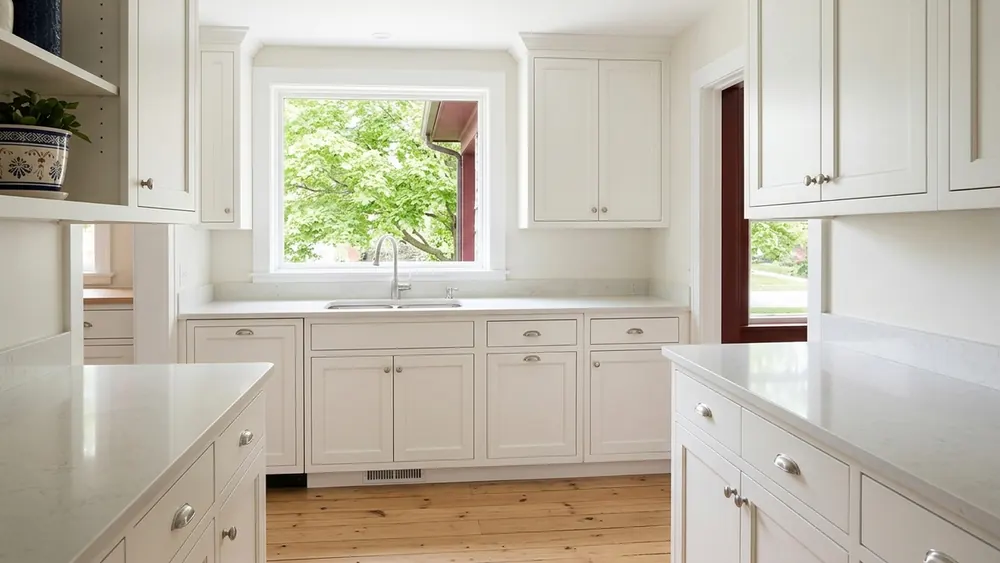
Before listing a home in Sheboygan County, choose your timing, gather repair records and disclosure answers, decide honestly which updates are worth doing, and plan a pricing conversation based on similar recent sales nearby.
On this page
The short answer on preparing to list
Before you list a home in Sheboygan County, prepare four things: your timing, your records, your decisions about updates and a plan for the pricing conversation. Timing means knowing when you want to move and what has to happen first. Records means repair receipts, warranties and the answers you will need for the Wisconsin seller disclosures. Updates means deciding, honestly, which fixes are worth doing. Pricing means looking at similar recent sales nearby rather than a number you carry in your head.
Why bother before you even call anyone? Because selling stacks a lot of decisions into a short stretch. Once the home is on the market, you are juggling showings, buyer questions and possibly offers, all while living your normal life. Work done before the listing goes live is work you are not scrambling to finish under pressure. It also gives you room to ask questions and get honest answers without feeling a clock running.
Preparing does not mean renovating, and it does not mean you need everything figured out. Plenty of sellers in Sheboygan, Sheboygan Falls and Plymouth start with a rough plan and a few open questions. What helps is knowing which questions are still open, so each one goes to the right person instead of hanging over the whole sale and making every other decision feel heavier than it needs to.
Start with your timing and your next move
The first question is not really about the house you are selling. It is about where you are going next. Are you buying another home, moving closer to family, or relocating for work? The answer shapes everything from when you list to how you handle the move itself. If you need the sale to happen before you can buy, that is a different plan than selling after you have already moved out.
Be honest with yourself about what the move involves. Packing, sorting and clearing out a home usually takes more energy than people expect, especially after living somewhere a long time. Listing before you are ready can mean showing a home that still feels half packed. Sketching a rough sequence of steps, without promising yourself specific dates, makes it easier to see where the pressure points are.
If you need to buy and sell around the same time, talk with a lender early about how your budget works across both. That is a lending question with real consequences, and it deserves a direct answer from the right source rather than a guess. Once you know your options, the listing plan can be built around them instead of the other way around, which takes a lot of strain out of the process.
Gather the records buyers will ask about
The second step is paperwork. Buyers and their inspectors will ask about the roof, the systems, the basement and any past repairs. The more of that history you can show, the clearer the conversation. Pull together receipts, warranties, past inspection reports and anything a licensed contractor left behind after a job. Gaps are normal, especially in an older home. Just note what you have and what you do not.
Those same records feed the Wisconsin seller disclosures, which ask you to share the conditions and issues you know about the property. Starting the disclosures before listing, rather than in a rush once the home is on the market, gives you time to read each question carefully and ask about any term that is unclear. For legal questions about what a disclosure requires in your situation, ask a Wisconsin real estate attorney.
If you are unsure whether past work was permitted, or what is on file for the property, the city or village, or the Sheboygan County office, is the place to ask. It is far easier to know the answer before a buyer asks than to find out together in the middle of a negotiation. Many of these questions have simple answers once someone checks the records, so it is worth asking early.
Decide which updates are actually worth doing
This is where candor matters most. Not every update is worth the time, cost and disruption, and nobody can promise that a particular project will come back to you in the sale. A better question is whether an update fixes something a buyer will notice or ask about, and whether it makes the home easier to show. Before spending money, it helps to sort possible projects into a few groups:
- Repairs to known problems a buyer or inspector is likely to find
- Small fixes like loose handles, dripping faucets or burned out bulbs
- Cleaning, decluttering and clearing space so rooms read clearly on a showing
- Larger cosmetic projects worth discussing honestly before you commit to them
Then talk through each group with someone who will give you a straight opinion. For condition questions, a licensed home inspector or licensed contractor can tell you what a repair actually involves. For the real estate side, Emily can share an honest view of what buyers tend to notice on showings and which projects may not be worth the trouble. The decision always stays yours.
A checklist to work through before listing
It helps to see the whole preparation in one place. The table below lays out the main tasks, why each one matters and who can help you answer the questions it raises. Use it as a starting point, not a script. Your home and your situation may add a few items, or make one or two of these unnecessary, and that is completely normal.
| Task | Why it matters | Who helps |
|---|---|---|
| Set your timing | Shapes when you list and how you move | You, your agent and a lender |
| Gather repair records | Answers buyer and inspector questions clearly | You, with your licensed contractors |
| Start the seller disclosures | Gives you time to answer carefully | Your agent, plus a Wisconsin real estate attorney |
| Check permits and records on file | Avoids surprises during a negotiation | The city, village or county office |
| Plan the pricing conversation | Grounds the price in similar recent sales | Your agent, using sales nearby |
Notice that most rows involve more than one person. Preparing to sell is not something you have to work out alone, and it should not involve guessing on questions that belong with a professional. When each task has a clear owner, the whole process feels calmer, and you can focus on the decisions that are genuinely yours to make.
How the pricing conversation should work
Pricing is the question every seller wants answered first, and the honest answer is that it works better after the preparation, not before it. A useful pricing conversation looks at similar homes that have sold recently nearby, compares their condition and features with yours, and talks openly about where your home fits. It is a conversation, not a guarantee, and nobody can promise what a buyer will pay.
Be wary of anyone who hands you a number before seeing the home or reviewing what has sold around it. A home in Sheboygan and one in New Holstein may look alike on paper and still compare to very different sales. Bring your questions, your records and your own sense of the home’s strengths and weak spots. The goal is a price you understand and can explain, not one that simply sounds good.
What to bring to a first listing conversation
You do not need a finished plan to start talking. A few notes and a folder of papers are enough to make a first conversation useful. The point is to arrive with what you already know, so the time goes into honest answers rather than tracking down basics. Before you sit down, it helps to gather a handful of things:
- Your rough timing and what needs to happen with your next home
- Repair receipts, warranties and any past inspection reports you can find
- A list of known issues you expect to come up on the disclosures
- Updates you are considering and the questions you have about each one
Bring those to a conversation with Emily and go through them one line at a time. You can talk honestly about what to fix, what to leave, what the paperwork asks and what comes next, without any pressure to list on a particular schedule. The aim is simple: a clear plan and clear paperwork, so you know what you are deciding before you decide it.
This article is general information about buying and selling homes in the Tri-County area (Calumet, Manitowoc and Sheboygan Counties), Wisconsin. It is not legal, probate, tax, lending or inspection advice and does not predict prices or promise results. Confirm contract and disclosure questions with a Wisconsin real estate attorney, probate and tax questions with an attorney or tax professional, financing with a lender, and property condition with a licensed home inspector. Emily Matthews, RE/MAX Universal Realty.

Written by